
CTF. The theory and the technology.
Controlled Traffic Farming (CTF) is one of those concepts that sounds highly technical and niche until you see it working in the field. Then it becomes obvious why some of the world’s most progressive arable farms swear by it.
At its core, CTF is simple: keep machinery running on the same permanent wheel tracks year after year, while leaving the rest of the soil untouched for crop growth.
Traditional farming systems can see 70–90% of a field trafficked by machinery over a season. Every pass with a tractor, combine, tanker or sprayer creates compaction. CTF flips that idea on its head by sacrificing a small percentage of the land to permanent traffic lanes so the majority of the soil remains loose, aerated and biologically active.
The potential advantages are significant.
Less compaction generally means better root development, improved drainage and stronger soil structure. In wet climates, that can be the difference between travelling a field or parking machinery for another week. Better soil health can also reduce runoff and improve water infiltration, which matters more every year as weather patterns become more extreme.
Fuel efficiency is another major factor. Machines running on firm permanent lanes experience lower rolling resistance than machines dragging themselves across soft cultivated soil. Over large acreages, those diesel savings become meaningful.
There is also increasing evidence that CTF can improve yield consistency, particularly in difficult seasons. Crops simply perform better in soil that has not been repeatedly crushed by 15–25 tonne machinery.
But the real driver behind modern CTF adoption is technology.
Twenty years ago, implementing a true controlled traffic system was difficult. Today, RTK GPS guidance, auto-steer systems, implement section control and precision mapping make it far more achievable. With 2cm accuracy from RTK correction signals, tractors and combines can repeatedly travel the exact same wheelings season after season.
Machine matching is another key part of the system. Farmers moving into CTF often standardise machinery widths — for example 12m drills, 36m sprayers and 12m combine headers — so every machine fits the same traffic lanes. Without that compatibility, the system quickly breaks down.
Some farms are now integrating CTF with autonomous technology, variable rate applications and real-time soil monitoring. The long-term direction is clear: fewer random passes, less wasted movement and more data-driven precision.
However, CTF is not a silver bullet.
The biggest barrier is cost. Retrofitting a farm to true controlled traffic can require major machinery changes, RTK subscriptions, guidance equipment and significant planning. For mixed farms or livestock-heavy operations, it can also be harder to implement consistently.
Field shape is another challenge. CTF works best in large, square or rectangular fields. Small irregular Irish fields with awkward gateways, drains and hedges can reduce efficiency dramatically.
There is also the risk of becoming over-dependent on technology. When GPS systems fail during a tight weather window, operations can quickly become stressful. Older operators may also resist the shift away from traditional driving methods toward highly managed precision systems.
And despite the environmental benefits, some critics argue CTF can encourage farms toward ever larger machinery and greater operational scale — something not every farmer wants.
Still, the broader trend in agriculture is obvious. Machinery is getting heavier. Labour is becoming scarcer. Fuel is more expensive. Soil health is under greater scrutiny.
Controlled Traffic Farming attempts to address all four.
The farms adopting it successfully are not necessarily chasing trends. In many cases, they are simply recognising that repeatedly compacting productive soil with massive machinery may not make long-term economic or agronomic sense anymore.
#Agriculture #Farming #AgTech #PrecisionFarming #SoilHealth #FarmMachinery #CTF #SustainableAgriculture #SmartFarming
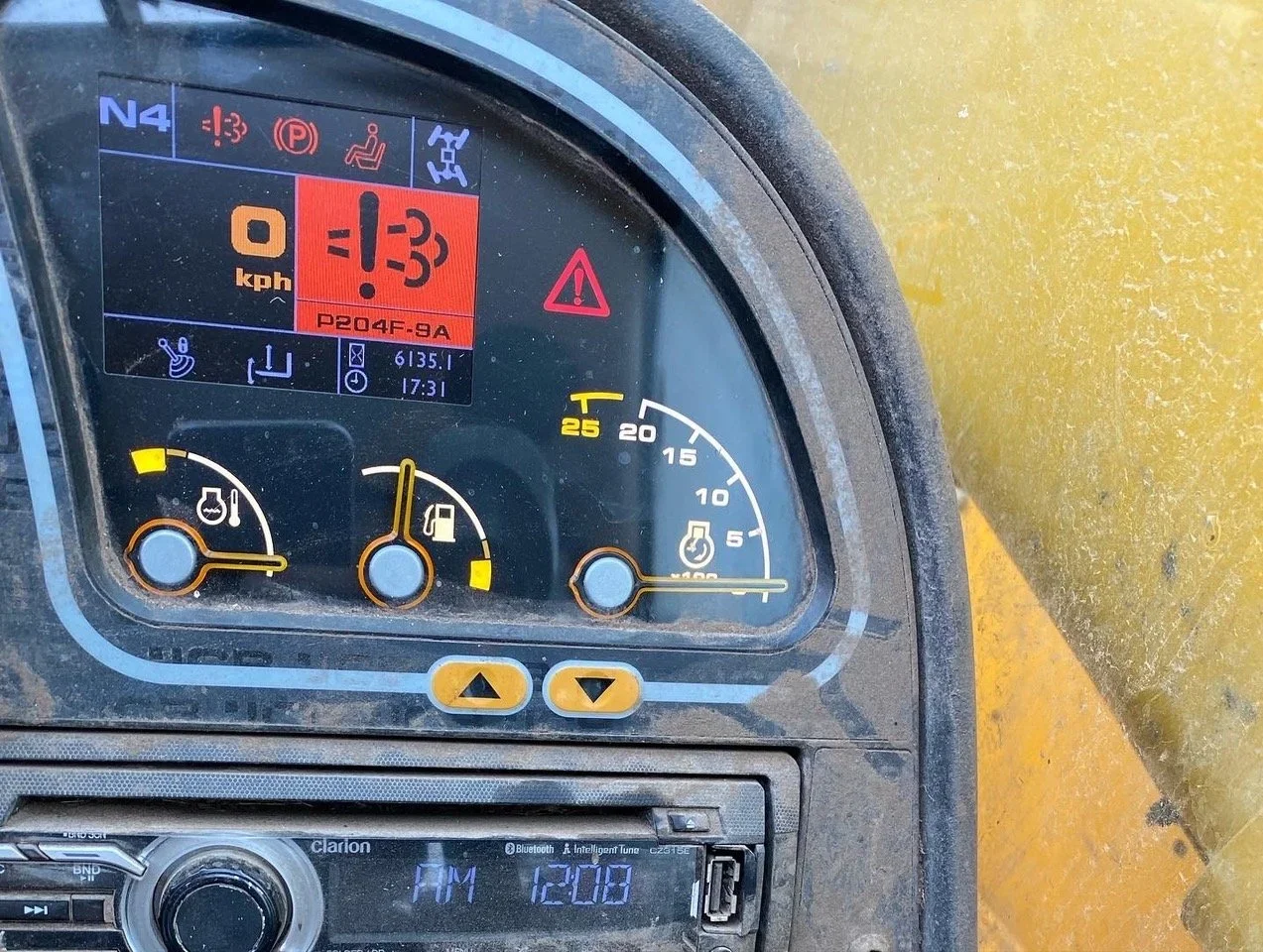
Is Adblue worth the headache?
Let’s be honest — AdBlue might be one of the most unpopular things ever fitted to farm machinery.
Yes, it was introduced to reduce emissions. And on paper, that sounds like progress. Cleaner exhaust gases, lower NOx emissions, and engines that tick the right environmental boxes.
But out in the real world of farming and contracting, AdBlue has become a source of endless frustration.
Because the issue isn’t what it was designed to do.
The issue is what it has done to reliability.
Modern tractors, telehandlers, combines, and self-propelled machines are now loaded with SCR systems, sensors, pumps, dosing units, injectors, control modules, and endless fault codes. And when one part of that system goes wrong, the machine often doesn’t just keep going with a warning light.
It derates.
It loses power.
It goes into limp mode.
Or worse, it stops altogether.
That might be acceptable in an office environment.
It’s not acceptable in agriculture.
A tractor is not a car.
A combine is not a commuter vehicle.
Farm machinery works in dust, slurry, vibration, heat, cold, wet weather, and long hard days under load. It needs to work when it’s called upon — not throw an emissions tantrum in the middle of silage, harvest, baling, or slurry season.
And let’s be honest again — when these systems fail, they’re rarely cheap to fix.
So while AdBlue may have helped manufacturers satisfy emissions rules, many would argue it has made machines less dependable, more expensive, and more frustrating for the people who actually rely on them.
Cleaner doesn’t always mean better.
Especially when the machine won’t do the job.
Has AdBlue improved machinery — or made it worse?
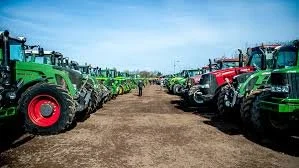
Is Buying Machinery at Auction worth the Hassle? We think it is!
The Pros and Cons of Buying Farm Machinery at a Reputable Auction
Buying farm machinery is one of the biggest capital decisions a farmer or contractor will make. Tractors, combines, loaders, and implements represent serious money, and choosing where to buy can have long-term consequences for reliability, cash flow, and productivity. One option that continues to grow in popularity is purchasing machinery at a reputable auction.
While auctions can offer genuine value and access to a wide range of equipment, they also come with risks that need to be clearly understood. Below is a balanced, practical look at the main pros and cons of buying farm machinery at a reputable auction, helping you decide whether it suits your operation.
The Pros of Buying Farm Machinery at Auction
1. Competitive Pricing and Potential Savings
One of the biggest attractions of auctions is price. Machinery is sold to the highest bidder on the day, not at a fixed retail price. This can result in significant savings compared to dealer prices, particularly if demand is low or the auction coincides with quiet periods in the farming calendar.
For buyers who have done their homework and set firm limits, auctions can deliver excellent value for money. In many cases, machines sell for thousands less than equivalent dealer stock, freeing up capital for other investments such as land improvement, livestock, or technology upgrades.
2. Transparent, Open Market
A reputable auction provides a clear view of what the market is actually paying. Bidding is open, competitive, and visible to all buyers, which removes much of the guesswork around pricing.
Unlike private sales where values can be inflated or inconsistent, auctions reflect real-time demand. This transparency can be particularly useful for experienced farmers who closely follow machinery values and understand seasonal trends.
3. Wide Choice in One Place
Auctions often bring together a large volume and variety of machinery in a single location. From nearly-new tractors to older, simpler machines, buyers can compare multiple brands, models, and specifications side by side.
This is especially useful for farmers looking for a specific power bracket or feature set, or those open to alternatives if the price is right. Instead of visiting multiple dealers or private sellers, an auction allows efficient comparison in one day.
4. Known Provenance at Reputable Sales
At reputable auctions, machines are often entered by recognised farms, contractors, finance companies, or main dealers. While this does not eliminate risk, it does improve traceability and confidence compared to unknown private sellers.
Many auctioneers provide catalogues with serial numbers, ownership details, and basic descriptions, giving buyers a clearer picture of what they are bidding on.
5. Fast, Decisive Purchasing
Auctions suit buyers who want to move quickly. There is no prolonged negotiation, trade-in discussion, or waiting for approvals. If you win the bid, the deal is done.
For farmers who know exactly what they want and have finance or funds arranged in advance, auctions can be an efficient way to secure machinery without delays.
The Cons of Buying Farm Machinery at Auction
1. Sold as Seen, With Limited Comeback
The biggest downside of auction buying is the lack of warranty. Most machinery is sold “as seen, where is,” meaning once the hammer falls, the responsibility is yours.
If a gearbox fault, hydraulic issue, or electronic problem appears after purchase, the cost of repair falls entirely on the buyer. This risk must be factored into the bidding price, particularly on complex modern machines.
2. Limited Opportunity for Proper Testing
While visual inspections are usually allowed, buyers rarely get the chance to work a machine under load or in real field conditions. A tractor may start and drive fine on the yard, yet reveal issues once put to work.
Without full service records or diagnostic checks, buyers must rely heavily on experience and judgement. This can be a disadvantage for less experienced purchasers.
3. Risk of Overbidding
The auction environment can encourage emotional bidding. Competition, time pressure, and fear of missing out can push prices beyond sensible levels.
It is not uncommon for machinery to sell for close to, or even above, dealer prices once buyer’s premiums and VAT are added. Without strict discipline, the perceived savings can quickly disappear.
4. Buyer’s Premiums and Additional Costs
Reputable auctions typically charge a buyer’s premium, which may range from a few percent to over ten percent of the hammer price. Transport, VAT, and immediate payment requirements must also be considered.
When all costs are added up, the final price can be higher than expected. Buyers who focus only on the hammer price may underestimate the true cost of purchase.
5. No Trade-In or Finance Flexibility
Unlike dealers, auctions rarely offer trade-ins or tailored finance solutions. Buyers must usually pay within a short timeframe and arrange their own transport.
This can be limiting for farmers who rely on part-exchange to manage cash flow or who need flexible finance terms aligned with seasonal income.
Conclusion: Is Auction Buying Right for You?
Buying farm machinery at a reputable auction can be an excellent option for informed, disciplined buyers who understand machinery, know current market values, and are prepared to accept a degree of risk.
For simple, robust machines or well-known models with proven reliability, auctions often provide outstanding value. However, for complex, high-horsepower, or electronically advanced equipment, the lack of warranty and testing can outweigh the savings.
The key to success is preparation: inspect carefully, research values, set a firm budget, and never bid beyond what the machine is realistically worth to your operation. When approached with clear thinking rather than emotion, reputable auctions can be a powerful tool in sourcing farm machinery at the right price.
Alan Corrigan. 6.1.26
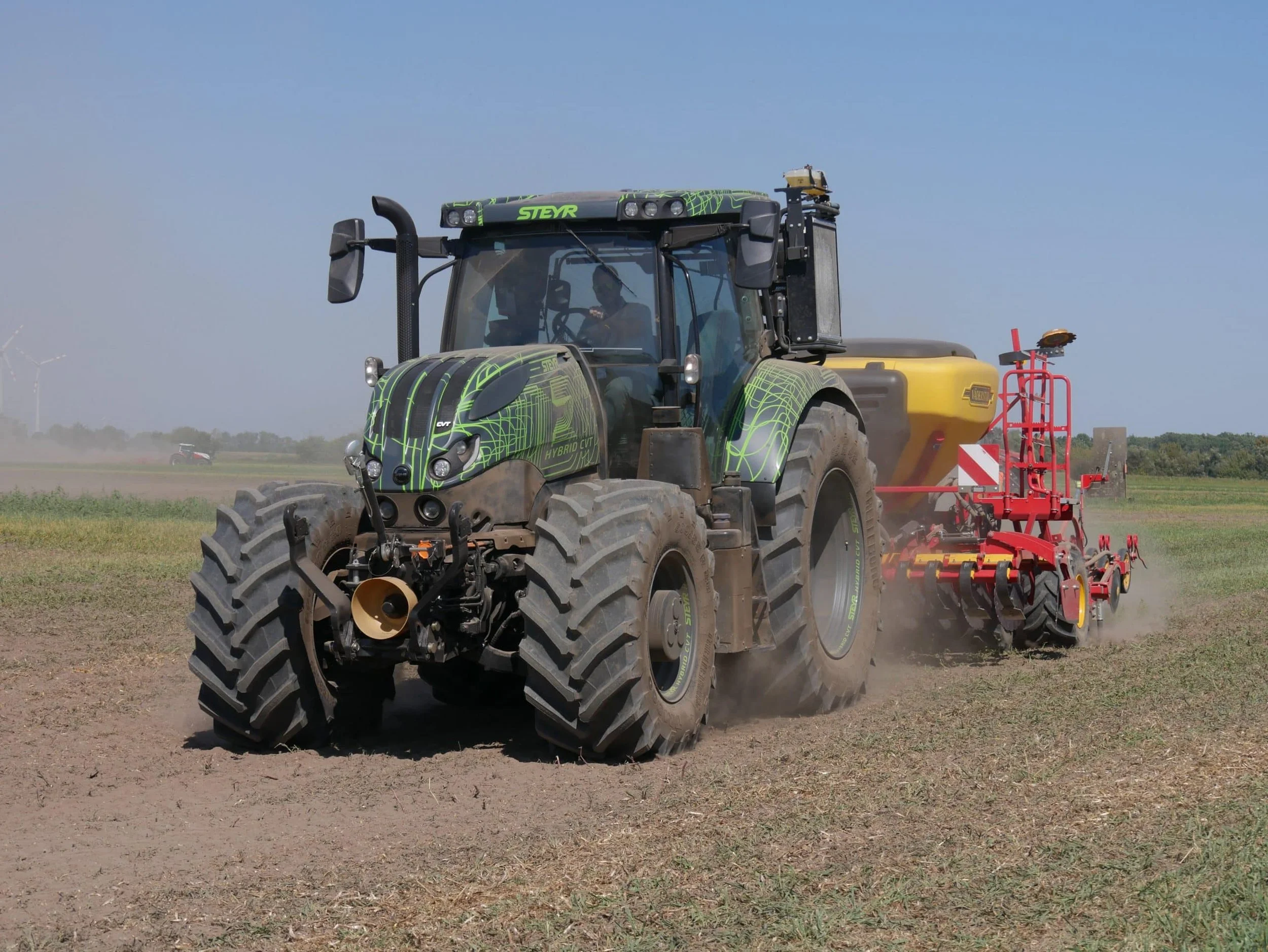
Hybrid Technology in Farm Machinery
Hybrid tractors and harvesters are no longer just lab talk — they're a practical option for many farms. But are they worth the price tag? Here’s a clear, pragmatic take you can share with colleagues.
Hybrid systems on farm machinery usually pair an internal-combustion engine with electric components: batteries, motors and power electronics. Architectures range from mild hybrids that assist the engine, to diesel-generator + electric drive systems, to machines that electrify specific auxiliaries (PTO, hydraulic pumps). Each approach brings different benefits and trade-offs.
Why farmers and OEMs are interested
• Fuel and emissions: Hybrids can reduce fuel use and CO₂ in many real tasks. By running the engine at efficient setpoints, recovering energy during light-load periods, and using stored electricity during peaks, hybrids cut consumption — sometimes by single-digit and occasionally double-digit percentages depending on work profile.
• Better control and performance: Electric motors give instant torque and precise control for wheel drive, PTO and hydraulics. That makes fine work (precision seeding, sensitive harvesting tasks) easier and can reduce wheel slip and soil disturbance.
• Reduced noise and targeted maintenance: Electrified auxiliaries lower cab noise and can reduce wear on mechanical parts. In some designs, fewer moving mechanical parts means less routine servicing for those subsystems.
• Future flexibility: Electrified platforms integrate more easily with autonomous systems and electric implements — helpful if you’re planning staged upgrades or long-term fleet modernization.
Important trade-offs to weigh
• Upfront cost and resale uncertainty: Hybrids carry a price premium today. Payback depends on hours worked, duty cycle, fuel price and access to service. Small, low-hour operators may struggle to justify the investment.
• Complexity and serviceability: Batteries, inverters and high-voltage systems add new failure modes and safety requirements. You’ll need dealer support, trained techs, and appropriate diagnostics — especially important if you’re remote.
• Weight and packaging: Batteries and extra hardware add weight. That can increase axle loads and soil compaction unless tyres or ballast are adjusted. Designers must balance battery capacity with traction and transport needs.
• Energy logistics: Full electrification shifts energy sourcing to the grid or on-site renewables. If your farm’s electrical capacity is limited, or if charging infrastructure is sparse, the operational benefits may be constrained. Diesel-generator hybrids solve some issues but reintroduce fuel handling.
• Maturity and long-term data: Many prototypes and pilot tests show promise, but long-term durability and battery life in dusty, wet agricultural environments need broader confirmation.
When a hybrid makes sense — and when it doesn’t
Consider hybrid solutions if you run high-hour machinery, do mixed duty cycles (fieldwork plus transport/loader work), have reliable dealer/service access, or can pair on-site renewables. Where fuel is expensive and tasks involve frequent load changes, hybrids often pay back sooner.
Avoid (for now) if you’re a low-hour operator, rely on small capital budgets, or can’t guarantee timely service and parts. Resale uncertainty and the need for trained technicians are real constraints.
Bottom line
Hybrid tractors and harvesters offer tangible operational and environmental upsides — better fuel economy, improved control, lower noise and a smoother path to electrified/autonomous workflows. But they bring higher capital cost, added technical complexity and infrastructure demands that matter on real farms. The practical question is always the same: will the fuel and efficiency gains (plus any operational advantages) outweigh the purchase premium and the extra logistics on your farm?
Alan Corrigan December 2025
The Critical Importance of High-Quality Lubricants and Greases: Why Cutting Corners Costs You More
When most people think about machinery maintenance, they picture filters, belts, seals, or even engines themselves—but often overlook the unsung heroes that keep everything running: lubricants and greases. These substances might seem small in cost and simple in purpose, but they are among the most important materials you will ever put into a machine. Whether you’re running tractors, construction equipment, trucks, manufacturing machinery, or even hand tools, the quality of the lubricant you choose can determine the lifespan, efficiency, and reliability of everything you own.
This five-page blog explores why high-quality oils and greases matter, how they protect your equipment, the risks of cheap or poor-spec products, and the long-term economic benefits of investing in the right lubrication.
1. Lubrication: The Foundation of Mechanical Health
At its core, lubrication is simple: it reduces friction. But the role of oils and greases goes far beyond just making components slide more easily. Modern machines rely heavily on lubrication to perform countless critical functions simultaneously.
The main roles of a quality lubricant include:
Reducing friction and wear between moving parts
Carrying away heat to prevent overheating and component distortion
Protecting surfaces from corrosion and rust
Suspending dirt, soot, and contaminants to keep them away from sensitive areas
Providing hydraulic action, especially in modern transmissions
Maintaining seals and preventing leaks
Enhancing fuel economy and overall efficiency
In modern machinery—where tolerances are tighter, loads are higher, and operating temperatures are greater—these functions are not luxuries. They are essential for survival.
A cheap or poor-quality lubricant simply cannot perform all of these roles consistently, leading to premature breakdown and expensive failures that could have been easily avoided.
2. The Hidden Science Inside Every Good Oil or Grease
Many people believe any oil is “good enough.” In reality, lubricants are some of the most technically complex materials used in machinery. A modern lubricant is not just “oil”—it’s a precise formula containing:
Base oil (either mineral, semi-synthetic, or full synthetic)
Additives for anti-wear, detergency, anti-oxidation, dispersants, anti-foam, pressure resistance, and corrosion protection
Performance modifiers tailored to specific environments
Viscosity index improvers
Stabilizers designed for long service life
Specialized compounds, such as moly, graphite, or PTFE in some greases
High-quality lubricants undergo extensive testing by engine, transmission, and machinery manufacturers. They’re engineered to withstand the exact stresses placed on equipment.
Cheap lubricants, however, usually cut corners on additive packages, base oil purity, and temperature stability, meaning they break down faster and protect less effectively. On paper they may look similar, but in practice the difference is night and day.
3. How Poor Lubrication Leads to Failure
A machine rarely fails outright from lack of lubrication overnight—more often, it happens from slow, unseen wear, the kind you don’t notice until it’s too late. Consider the following common failure points caused by substandard oils and greases:
a. Bearing failure
Poor-quality grease lacks proper shear stability, water resistance, and load-carrying capacity. Bearings overheat, grease breaks down, and metal-to-metal contact begins.
Once pitting starts, that bearing is finished.
b. Engine wear and oil breakdown
Low-grade engine oils lose viscosity quickly, especially under heat.
Once the oil film thins, metal surfaces collide—leading to scoring, wear, and sometimes catastrophic engine failure.
c. Transmission damage
Modern transmissions rely on friction modifiers, anti-wear additives, and hydraulic stability.
The wrong oil can cause:
Harsh shifting
Slipping
Overheating
Premature clutch pack wear
A transmission failure caused by oil contamination or poor lubrication is often one of the most expensive repairs a machine will ever need.
d. Hydraulic system contamination
Low-quality hydraulic oils lack proper detergents and oxidation protection.
This leads to:
Sludge buildup
Sticky valves
Slow response
Seal hardening and leaks
Hydraulic issues are notoriously difficult to diagnose and costly to repair.
e. Corrosion and rust
Good oils and greases include strong corrosion inhibitors.
Cheap ones don’t.
Rust inside a machine behaves like sandpaper—once it starts, the damage is irreversible.
4. The Real Cost of Poor Lubrication: A Financial Breakdown
Some businesses and individuals try to save money by choosing the cheapest lubricants available. Ironically, this is almost always the most expensive choice in the long run.
Let’s compare two scenarios:
Scenario 1: Low-quality oil or grease
Lower upfront cost
Shorter service life
More frequent oil changes
Higher fuel consumption
Increased friction and wear
Higher operating temperature
Greater risk of breakdown
Much lower resale value of machinery
Higher repair costs over life of equipment
Scenario 2: High-quality lubricant
Slightly higher upfront cost
Longer service intervals
Better fuel efficiency
Lower operating temperature
Reduced friction
Extended component life
Lower risk of downtime
Higher resale value
Fewer costly repairs
Real-world results show that:
A high-quality lubricant can lower total machine running costs by 20–40%, while a cheap lubricant can increase costs by 25–70% due to repairs and lost productivity.
The saying is true:
Lubrication is cheap—parts and breakdowns are not.
5. Temperature Resistance: Why It Matters More Than You Think
Machinery rarely operates in perfect conditions. Cold starts, heavy towing, long hours, dusty environments, and high loads all push lubricants to their limits.
What high-quality oil provides:
Stable viscosity across temperature ranges
Consistent protection during cold starts
Resistance to oxidation at high heat
Protection against thermal breakdown
Longer-lasting film on metal surfaces
A poor lubricant can thicken in cold weather, thin in hot weather, and evaporate under heavy load—leaving your equipment dangerously unprotected.
Greases are equally affected. A low-grade grease will melt out of a bearing under heat or wash out under pressure, allowing wear to begin almost immediately.
6. Why Premium Greases Matter Just as Much as Oil
Greases are often overlooked even more than oils, but they are just as important—especially in agricultural, construction, transport, and industrial machinery where load pressures are extreme.
A high-quality grease provides:
High mechanical stability
Excellent resistance to water washout
Strong adhesion to metal surfaces
Protection against shock loading
Anti-corrosion properties
Long service intervals
Using the wrong grease—especially mixing incompatible greases—can lead to softening, separation, and failure.
A good grease can outlast a cheaper one by two to five times, saving countless hours of labour and preventing serious component damage.
7. Lubrication in Harsh Environments: Agriculture, Industry, and Heavy Equipment
Certain industries absolutely depend on premium lubrication because of the severe stresses their equipment faces.
Agriculture
Tractors, balers, combines, and loaders experience:
Dust
Moisture
High loads
Temperature swings
Constant vibration
Poor lubrication in these conditions is a recipe for bearing failures, transmission problems, seized pins, and excessive wear.
Construction & Plant Equipment
Excavators, dumpers, telehandlers, and breakers face:
Extreme pressure
Shock load
Continuous running
Hydraulic demand
Cheap oils or greases simply cannot cope with these stresses.
Transport & Logistics
Truck engines and gearboxes rely heavily on:
Clean oil
Stable viscosity
Long drain intervals
Low-quality oils destroy fuel economy and accelerate wear.
Factories & Manufacturing
Industrial machinery often runs 24/7, with tiny tolerances and massive output loads.
Any lubrication failure leads to costly downtime—sometimes tens of thousands per hour.
8. The Role of Modern Standards and Specifications
Choosing the right lubricant isn’t guesswork. Today’s oils and greases must meet strict requirements set by:
ACEA
API
OEM specifications
ISO standards
JASO standards
If a lubricant doesn’t meet the specification required by the engine, transmission, or manufacturer, you’re essentially running the machine outside its design limits.
Using the wrong oil can void warranties, reduce lifespan, and cause mechanical issues that the manufacturer will not cover.
9. Environmental and Efficiency Benefits
High-quality oils and greases also play a major role in reducing environmental impact.
Benefits include:
Reduced emissions
Lower fuel consumption
Less waste oil generated
Fewer mechanical failures
Longer equipment lifespan
Reduced energy usage in factories and mobile machinery
Better lubrication means machinery works smarter, not harder.
10. The Long-Term View: Why Quality Always Pays for Itself
Many people choose lubricants based on price, but professionals choose based on performance. A high-quality lubricant:
Reduces downtime
Extends service intervals
Lowers repair bills
Improves efficiency
Extends the life of expensive machinery
Protects your investment
When you calculate the true cost over the life of a machine, high-quality lubricants are always the cheapest choice in the end.
Conclusion: Lubricants Are Not Consumables—They Are Investments
Lubricants and greases sit at the heart of every moving machine. The difference between a cheap product and a high-quality one is not a few euros—it’s the difference between long-term reliability and early mechanical death.
Choosing premium lubrication is not about spending more money.
It’s about protecting your machinery, reducing your running costs, extending service life, and avoiding expensive failures.
In heavy machinery, farming, construction, transport, or industry, good lubrication is not optional—
it is the foundation of every successful operation.
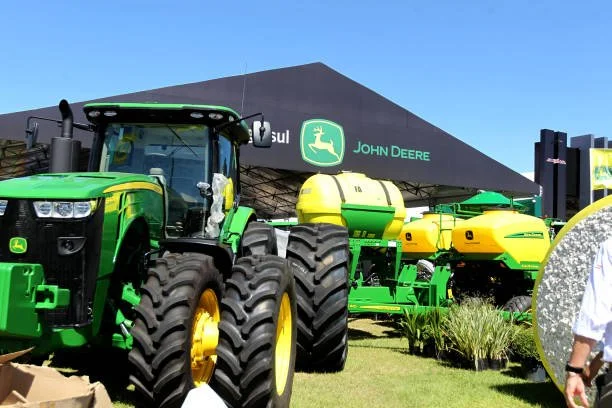
John Deere and the U.S. Right-to-Repair Court Case: A Clear, Neutral Overview
The ongoing court case involving John Deere and the right-to-repair movement has become one of the most closely watched legal battles in modern agriculture. As farm machinery has grown more sophisticated, with advanced sensors, electronic control units, and proprietary software, many repairs now require access to diagnostic programs traditionally controlled by manufacturers. This shift has sparked debate about who should have the authority to repair equipment that farmers have purchased outright.
Farmers across several U.S. states filed class-action lawsuits claiming that John Deere has unlawfully restricted access to essential repair software and tools. They argue that while mechanical repairs are still possible, many modern issues—particularly those involving software, emissions systems, or calibration—can only be fixed using Deere’s proprietary Service ADVISOR system. According to the plaintiffs, Deere’s refusal to make these tools fully available to owners or independent mechanics forces farmers into authorised dealerships, raising repair costs and contributing to unnecessary delays during crucial periods such as planting or harvest.
These lawsuits contend that John Deere’s practices violate U.S. antitrust laws by creating a monopoly over repair services for its own equipment. The farmers’ position is not that Deere shouldn’t profit from repair work, but that it shouldn’t be the only option when alternatives could safely and legally exist.
John Deere firmly rejects the allegations. The company maintains that it supports customer repair by providing parts, manuals, schematics, and a limited version of diagnostic software called Customer Service ADVISOR. Deere argues that unrestricted access to full diagnostic and programming tools could allow unauthorised modifications that compromise machine safety, engine emissions compliance, and reliability. The company says its approach reflects responsible product stewardship, not anti-competitive behaviour.
The debate escalated in early 2025 when the U.S. Federal Trade Commission, along with several individual states, filed their own antitrust lawsuit against John Deere. This significantly raised the stakes, turning what had been a farmer-led legal challenge into a major federal case involving broader questions about consumer rights, digital ownership, and competition in software-dependent industries.
The outcome of this case could have far-reaching effects. If the courts rule against Deere, manufacturers may be required to open access to full repair tools, potentially lowering repair costs and expanding independent repair markets. If Deere prevails, manufacturers may retain greater control over software-enabled repair ecosystems.
Regardless of the result, the case highlights the changing landscape of machinery ownership in an increasingly digital world—where the question of who truly “owns” equipment goes far beyond the hardware itself.
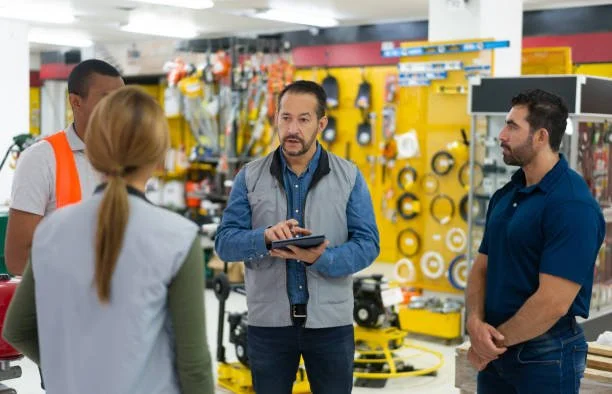
TOOLS, PARTS, AND KNOW HOW.
Repairing machinery—whether farm equipment, construction gear, vehicles, or workshop tools—requires precision, reliability, and safety. Using the correct tools and parts is not simply a recommendation; it is a fundamental principle.
1. Safety
Machinery repairs often involve heavy components, pressurised systems, sharp edges, and high torque. The right tools are engineered to withstand the forces involved. Using the wrong tools—such as adjustable spanners instead of the proper socket or pry bars instead of pullers—can slip, shatter, or fail, causing injuries.
Maintaining Built‑In Safety Standards
Manufacturers design machines with precise tolerances. Incorrect parts (such as mismatched bolts, filters, or seals) may compromise structural integrity or cause systems to fail unexpectedly, creating hazardous situations for operators.
2. Reliability and Performance
Genuine or correctly‑specified replacement parts ensure machinery operates as intended. Components such as bearings, belts, hydraulic hoses, and sensors must match the original specifications. Small variations can lead to inefficiency, overheating, vibration, or catastrophic failure.
Avoiding Hidden Damage
Using improper tools can round off bolts, crack housings, distort shafts, or damage threads. These problems may not be obvious immediately but can lead to costly failures down the line.
3. Longevity of Machinery
Correctly installed and properly fitting parts reduce strain on surrounding components. For example, the right tensioner prevents belts from slipping or running too tight, and the right hydraulic seal prevents contamination, which would otherwise accelerate wear.
Protecting the Machine’s Value
Well‑maintained machinery with original or approved components retains far more resale value. Buyers and inspectors can easily spot poor repairs, mismatched parts, or improvised fixes.
4. Cost efficiency
Cheap or incorrect parts can lead to repeat failures. A poorly fitting bearing or undersized bolt may cost less initially but can destroy housings or shafts worth hundreds or thousands of euros.
Reduced Downtime
Every hour a machine is out of service costs time and money. Correct tools ensure the job is done quickly and correctly the first time, without rework.
Avoiding Warranty Issues
Using non‑approved parts or incorrect repair methods can void warranties or insurance cover.
5. Professional Standards and Compliance
Agricultural, construction, and industrial equipment must meet certain safety and performance standards. Different standards require regular calibration and certification of tooling and test equipment.
6. Efficiency in the Repair Process
Faster, Cleaner Repairs
Specialised tools such as pullers, torque wrenches, diagnostic scanners, and alignment gauges streamline work. They prevent damage and reduce disassembly time.
Accurate Diagnosis
Proper diagnostic equipment ensures problems are identified correctly. Guesswork leads to unnecessary part replacement.
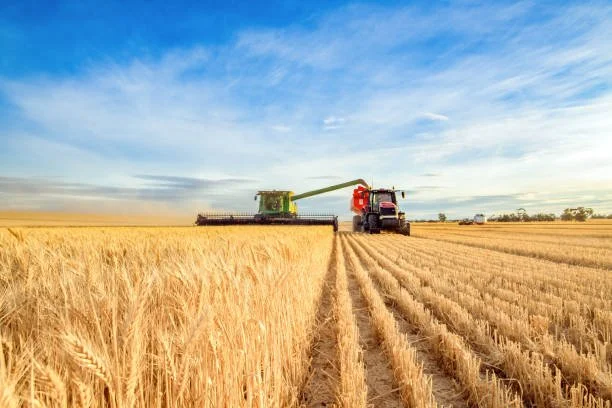
Farm Machinery Review 2025
The global farm-machinery industry in 2025 is characterised by steady long-term growth but uneven short-term demand. After several strong years driven by high commodity prices and post-pandemic replacement cycles, many major markets have cooled. Softer crop prices, tighter farm margins and higher interest rates have led farmers in North America and Europe to delay large capital purchases, creating elevated dealer inventories and more cautious production schedules among major manufacturers.
Despite this cyclical dip, the structural direction of the industry remains firmly upward. Demand is being supported by rising mechanisation in India, China, Southeast Asia and Latin America, where growers continue upgrading from small or manual equipment to higher-horsepower tractors, combines and modern implements. These regions are increasingly shaping global volume growth, even as premium technology remains concentrated in Western markets.
Technology is the defining force reshaping the sector. Precision-agriculture systems, machine telematics, advanced sensors and autonomous capabilities are now central to OEM strategies, transforming equipment into data-driven platforms. Autonomy—both full and supervised—is expanding from specialty applications to mainstream tractor and sprayer platforms. Electrification is progressing more slowly but gaining traction in compact tractors, utility equipment and vineyard/orchard machines as battery performance improves.
Manufacturers are balancing the need to invest heavily in software, automation and electrification while managing costs in a cooling market. Looking ahead, the industry is expected to resume moderate growth, with technology-enabled machinery and subscription-based digital services driving a larger share of revenue. The long-term outlook remains positive as agriculture continues its shift toward efficiency, and sustainability.